

Performance
I came to performance through a series of accidents.
The first involved my mom’s plastic Bundy clarinet. I started playing it in fifth grade and somehow stuck with it through high school, eventually graduating to a much better clarinet and adding bass clarinet. I was never an exceptional instrumentalist. I also wasn’t particularly interested in practicing unless something required my immediate attention.
I would not be diagnosed with ADHD until my thirties. In retrospect, there were clues.
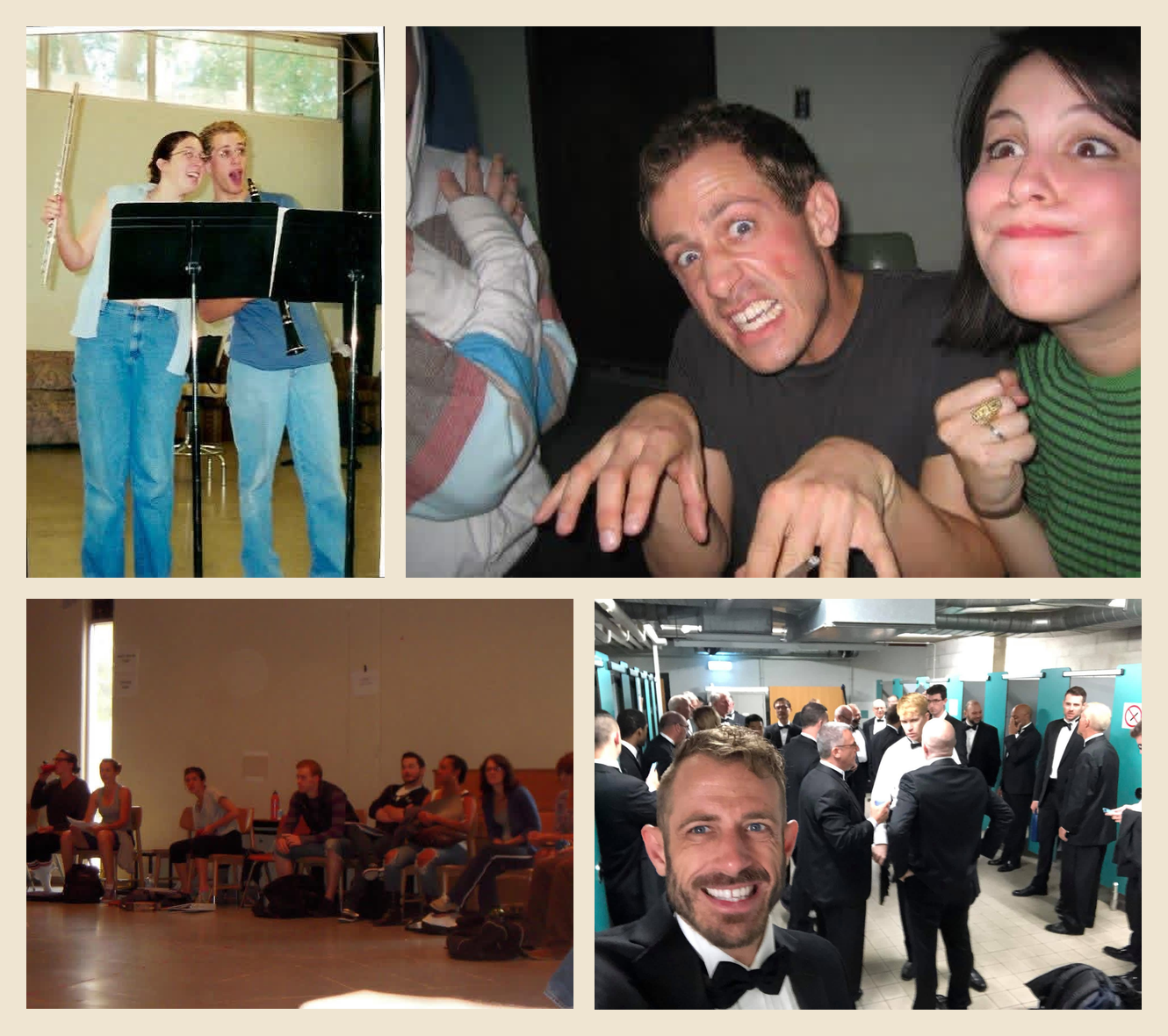
Theatre came next, through 4-H. I grew up in Dixon, California, where 4-H was a perfectly normal thing for a kid to do and theatre was considerably less visible. My best friend’s mom led our group and started taking us to plays. Eventually, we began putting them on ourselves. Someone needed to fill in as a Card in Alice in Wonderland, and I was recruited.
It escalated quickly.
I acted in every show after that, eventually playing leading roles, and joined chorus my freshman year. By the time I finished high school, performance had become one of the places where I felt most alive. Then, for a while, it disappeared.
My early twenties were complicated, and making art was not particularly high on the list of things I was successfully doing. When I finally went to college at 28, performance started creeping back in: an acting class, then a show, then a musical, then a regional production of RENT. Before long, I was auditioning for conservatories.
I was accepted to the Pacific Conservatory of the Performing Arts and spent nearly two years living performance. I acted, sang, danced, studied movement and voice, rehearsed constantly, and was surrounded by people who were just as consumed by making things as I was. It was wonderful.
After PCPA, I went to UC Berkeley, where I majored in Social Welfare and minored in Acting. I performed there, including in Charles Mee’s Summertime, and then acting went quiet again.
But performance apparently has very little respect for my attempts to organize my life.

For a while, singing became the center of it. I returned to formal vocal work, eventually joined the Golden Gate Men’s Chorus, toured and competed internationally, and found a creative home in choral music. Somewhere along the way, dance entered the picture too.
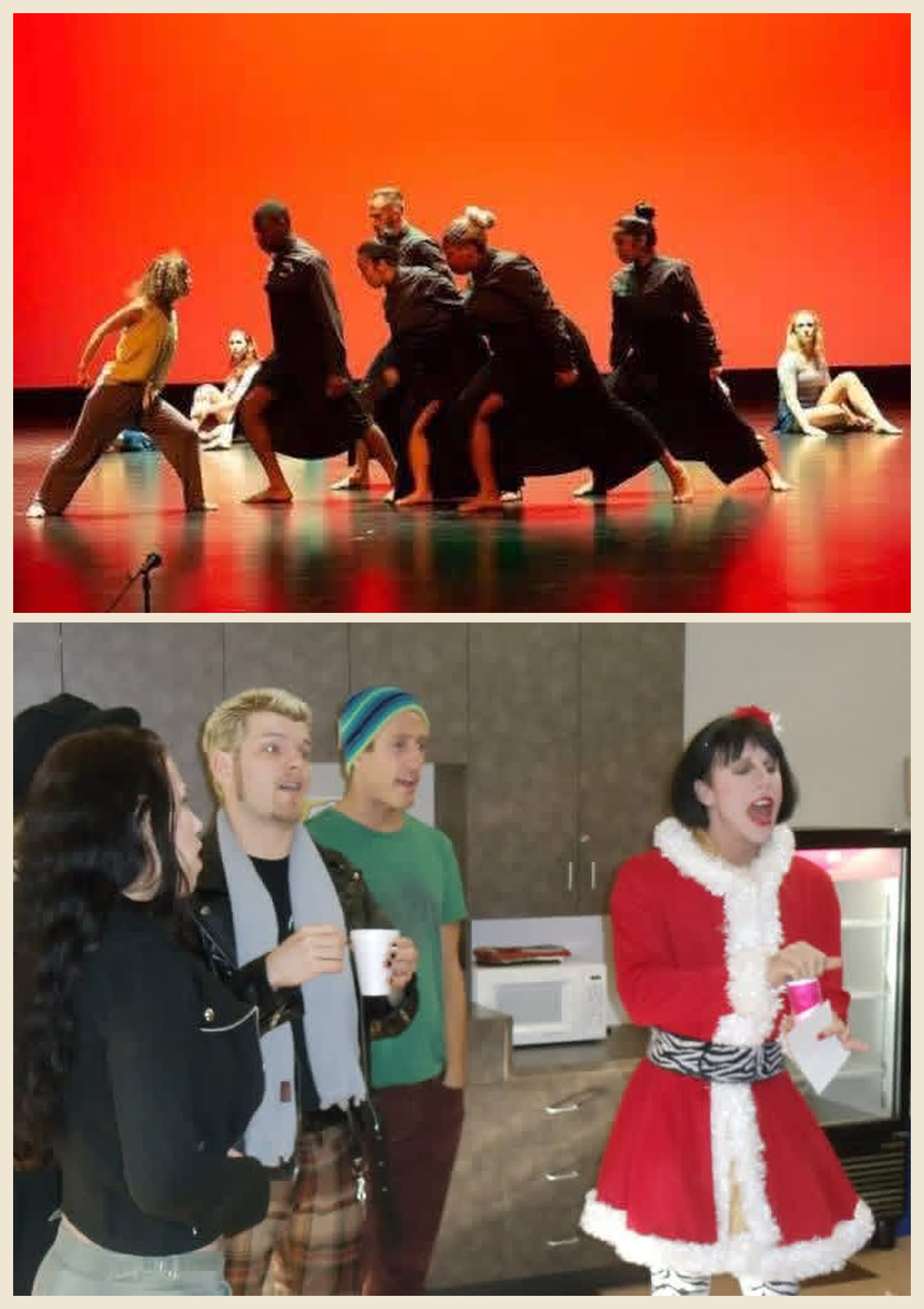
This was particularly surprising because I had spent years believing I was not a dancer. At conservatory, I had been stiff, cerebral, chronically frustrated, and frequently sidelined by a back that did not appreciate ballet nearly as much as I wanted it to. Years later, after watching a small dance company perform in the Bay Area, I was unexpectedly invited to join them. I said yes.
That invitation eventually led to contemporary dance classes several times a week, performing with New Ground Dance Theatre, collaborating on my cousin’s graduate dance work, and helping found a small dance collective.
And then, in 2020, everything stopped.
By the time the world reopened, I was living in New York, becoming a psychotherapist, and building a very different life. I continued singing, but acting and dance stayed mostly quiet. My friend Steven kept me loosely connected to theatre through readings and conversations over the years, until acting eventually decided it had waited long enough.
In early 2026, that connection turned into Your Love Isn’t Love, and I returned to the stage as James in its New York City Fringe Festival run. Something clicked back into place, but it also felt different this time. I wasn’t returning to exactly the same relationship with performance I had left behind.
Since then, acting has started doing what performance has apparently always done in my life: opening another door before I’ve finished figuring out what to do with the last one. Acting has led into writing and adaptation. I’m developing my first play. Producing and directing are beginning to enter the picture. Dance and movement are finding their way back through my approach to acting and the body.
And then, in 2020, everything stopped.
By the time the world reopened, I was living in New York, becoming a psychotherapist, and building a very different life. I continued singing, but acting and dance stayed mostly quiet. My friend Steven kept me loosely connected to theatre through readings and conversations over the years, until acting eventually decided it had waited long enough.
In early 2026, that connection turned into Your Love Isn’t Love, and I returned to the stage as James in its New York City Fringe Festival run. Something clicked back into place, but it also felt different this time. I wasn’t returning to exactly the same relationship with performance I had left behind.
Since then, acting has started doing what performance has apparently always done in my life: opening another door before I’ve finished figuring out what to do with the last one. Acting has led into writing and adaptation. I’m developing my first play. Producing and directing are beginning to enter the picture. Dance and movement are finding their way back through my approach to acting and the body.
At this point, I have stopped predicting which form performance is going to take next. I’m just considerably better at recognizing it when it shows up.